
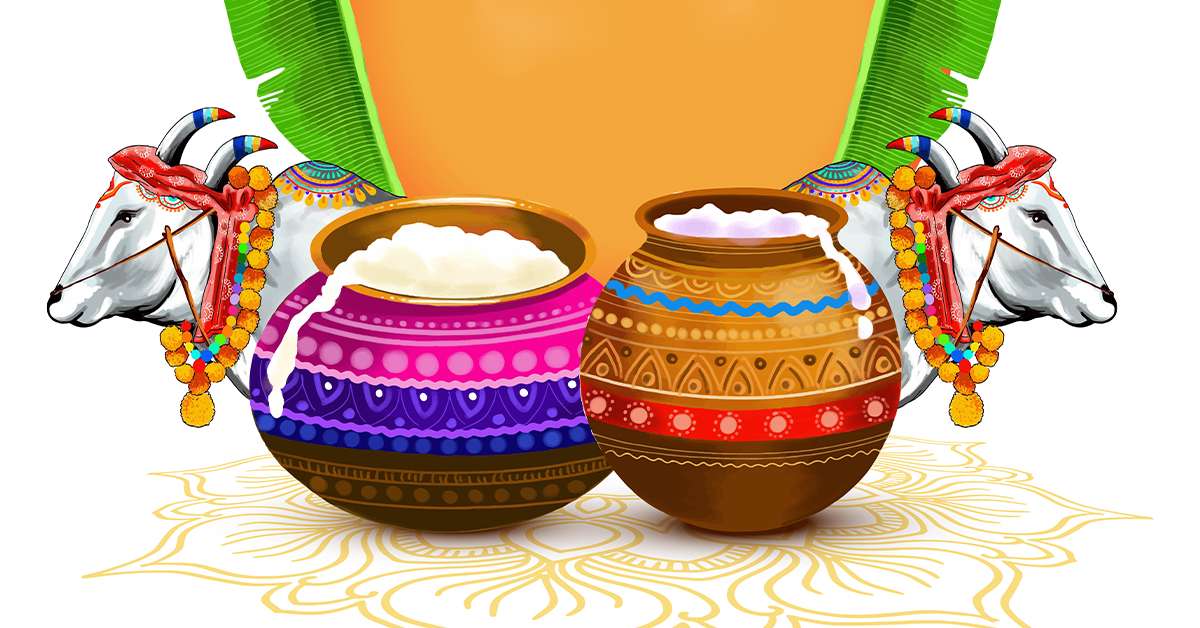
Pongal, celebrated predominantly in Tamil Nadu, is more than just a harvest festival; it is a vibrant testament to the harmony between humanity and nature. Observed with fervor and gratitude, this four-day festival honors the Sun God, farmers, and the bountiful harvest that sustains life. Beyond its cultural and religious significance, Pongal offers valuable lessons in sustainability that resonate with the challenges of the modern world, much like the initiatives discussed in global SDG implementation practices.
Happy Pongal! May this festival bring joy, prosperity, and a greener tomorrow.
The Essence of Pongal
Pongal, named after the dish made from newly harvested rice, milk, and jaggery, signifies prosperity and abundance. Each day of the festival carries unique rituals:- Bhogi: Discarding old belongings and embracing new beginnings.
- Thai Pongal: Offering gratitude to the Sun God and preparing the iconic Pongal dish.
- Mattu Pongal: Honoring cattle for their indispensable role in agriculture.
- Kaanum Pongal: Strengthening familial bonds and community ties.
Sustainability in Pongal Practices
- Eco-Friendly Celebrations — Pongal rituals revolve around natural elements. The use of clay pots for cooking, banana leaves for serving food, and kolams made with rice flour reflect minimal environmental impact, aligning with eco-conscious sustainability practices.
- Honoring Natural Resources — The festival underscores the dependence on nature, especially the sun and rain, for agriculture. By celebrating these elements, Pongal reminds us of the importance of preserving natural resources and adopting sustainable agricultural practices as highlighted in SDG innovation strategies.
- Community and Sharing — Pongal fosters a sense of community through the sharing of food and festivities, reflecting the essence of community engagement in sustainable development.
Modern Lessons from Pongal
- Circular Economy Practices — Pongal embodies the concept of reuse and regeneration. The use of agricultural residues for rituals symbolizes the cyclical nature of life and resources — concepts explored in circular economy and SDG implementation.
- Sustainable Agriculture — The festival highlights the significance of traditional farming practices, crop rotation, and organic methods, which align with India’s government initiatives for sustainable practices.
- Waste Reduction — The reliance on natural and reusable materials during Pongal celebrations reminds us to minimize waste, reflecting the principles of sustainability policy implementation.
Incorporating Pongal’s Values Today
As we face environmental challenges like climate change, deforestation, and resource depletion, Pongal’s lessons are more relevant than ever. Adopting its principles can inspire:- Eco-friendly lifestyles: Choosing sustainable products and reducing waste, as encouraged in sustainability literacy initiatives.
- Community-driven initiatives: Promoting local farming and supporting agricultural communities — similar to the approaches in university-community SDG collaborations.
- Gratitude for nature: Recognizing and respecting the delicate balance of ecosystems as seen in education-driven sustainability efforts.
Conclusion
Pongal is a celebration of nature’s generosity and humanity’s ingenuity in sustaining life. By drawing parallels between the festival’s ethos and sustainability, we can find inspiration to address modern environmental challenges. As we light the traditional lamps and cook the sweet Pongal this year, let us also ignite a commitment to sustainable living, ensuring that the prosperity we celebrate today endures for generations to come. Explore more on how MapSDG promotes sustainability features.Happy Pongal! May this festival bring joy, prosperity, and a greener tomorrow.
